







Search Results for: vacuum filtration

Analysis of Why Cold Brew Coffee Filters Slowly and Comparison of Three Practical Solutions to Speed Up Filtration
Summer is here, and many people enjoy making cold brew coffee at home, but the filtration step often proves troublesome—the coffee liquid drips extremely slowly, sometimes taking half a day. Why is cold brew filtration so slow? The core reason is that the extremely fine particles in the coffee grounds clog the pores of the filter paper, leaving insufficient channels for the liquid to flow through. This is especially true when making multiple servings at once, as the waiting time gets stretched even further. This article will first explain the causes of clogging, then share three methods commonly used by baristas to speed up filtration: using a filter bag or cloth to pre-isolate the coffee grounds, spreading the coffee grounds at the bottom of the filter paper to intercept fine particles, and using a vacuum filtration device to achieve rapid filtration under reduced pressure. Each approach has its own pros and cons, suiting enthusiasts with different needs, and the article also retains relevant experience and product recommendations from the Front Street Coffee brand. [more…]

Complete Guide to the Syphon: Structure, Usage, and Flavor Characteristics of the Siphon Coffee Maker
Among the many coffee brewing methods, the siphon pot (vacuum coffee maker) has always maintained a loyal following thanks to its unique vacuum extraction principle and ceremonial brewing process. It was invented in the early 19th century, nearly a century earlier than pour-over coffee, yet because of its full-bodied, solid mouthfeel and rich aroma, it still holds a place in the specialty coffee world today. In this article, Front Street Coffee will guide you into the world of the siphon pot, starting from its origins and evolution, breaking down the structural details of the upper chamber, lower chamber, stand, and filtration system one by one, and explaining the essential differences in flavor expression between this ancient device and pour-over coffee, helping coffee lovers gain a comprehensive understanding of how to use the siphon pot and its characteristics. [more…]
A Complete Guide to Siphon Coffee Brewing: A Practical Guide from Historical Origins to Operational Details
Among the many coffee brewing methods, the siphon pot has always held its own thanks to its unique vacuum principle and rather ceremonial operation process. Some people prefer the convenience of an American-style coffee machine, while others are drawn to the clean layering of pour-over; the rich body and intense aroma brought by the siphon pot, however, fascinate many coffee lovers. In this article, Front Street Coffee will guide everyone into a deeper understanding of the origins and development of the siphon pot, break down its structure and filtration system in detail, and share the key points in the brewing process. Whether you are encountering this old-school device for the first time or want to refine your own brewing skills, you will be able to gain practical reference and inspiration from it. [more…]
A Complete Guide to Siphon Coffee Brewing: From Historical Origins to Step-by-Step Instructions
Among the many coffee brewing methods, the siphon pot stands out with its unique vacuum principle and elegant sense of ritual. Some prefer the convenience of an American-style coffee machine, some are devoted to the purity of pour-over, and others are captivated by the romantic atmosphere of the siphon pot—choosing a brewing method that suits you and that you love is the first step to enjoying the fun of DIY coffee. This article will take you into the world of the siphon pot, tracing its origins nearly two hundred years back, explaining in detail the siphon pot's shape, structure, and filtration system, and sharing the hands-on experience of FrontStreet Coffee. Whether you are a beginner just getting to know the siphon pot or a veteran looking to revisit this classic piece of equipment, you will find practical reference here. [more…]
A Complete Guide to Siphon Coffee Making: From Historical Origins to Bean Selection, Front Street Coffee Takes You Through the Charm of the Siphon Brewer
The siphon pot, also known as the vacuum pot, is a coffee brewing device that uses steam pressure and vacuum principles for extraction, with a long history and a unique flavor profile. Compared with pour-over, coffee brewed in a siphon pot has a fuller body and richer aroma, but the operating steps are relatively more complicated. This article will begin with the origin of the siphon pot, introduce in detail its structure, filtration system, and brewing method, and answer the question of what kind of coffee beans are suitable for brewing. Front Street Coffee will also share practical experience to help coffee lovers easily master this classic brewing method and enjoy the fun of DIY. [more…]
What Type of Coffee Beans Are Suitable for a Siphon? Front Street Explains the Siphon Brewing Process and Key Operating Points in Detail
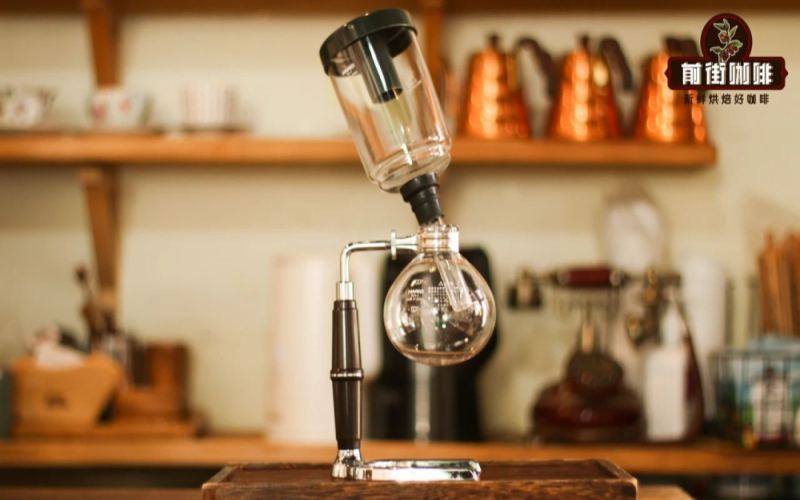
Some people love the speed of a drip coffee maker, some are drawn to the clean, layered clarity of pour-over, but the siphon (syphon) brewer stands apart in the coffee world with its rich, full-bodied taste and intense aroma. It works by heating the lower chamber to create steam pressure, pushing hot water up into the upper chamber where it fully mingles with the coffee grounds, then drawing the brew back down into the lower chamber by vacuum as it cools—a process that is both romantic and full of ritual. The history of this device dates back to the early nineteenth century, nearly a hundred years earlier than pour-over. Although it is no longer commonly seen in specialty coffee shops today, the unique flavor brewed with a siphon still lingers in the minds of many enthusiasts. In this article, Front Street Coffee will guide you through the origins, structure, and filtration system of the siphon brewer, and share the steps and key details of the actual process, helping you brew a rich, full-bodied cup of siphon coffee at home. [more…]
The Complete Guide to Siphon Coffee Brewing: From Extraction Principles to Step-by-Step Instructions
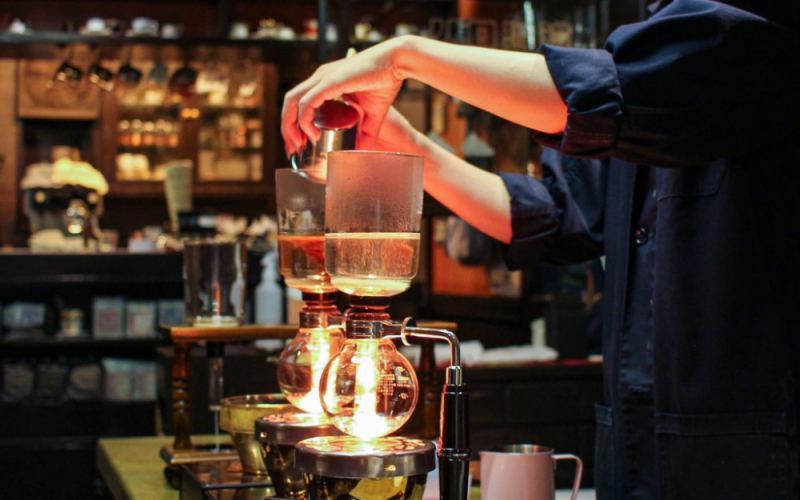
The siphon brewer, with its laboratory-instrument appearance and unique vacuum extraction method, has long been favored by coffee enthusiasts. It first appeared in Europe, where a French woman named Marie Fanny Amelne Massot registered a trademark for it, and its classic spherical design established its iconic status among coffee brewing devices. This article will begin with the extraction principle of the siphon brewer, systematically introduce the device's structure, filtration system, and heat source selection, then move on to key steps such as coffee grind size, timing of adding coffee grounds, stirring technique, and judging when to turn off the heat, and finally provide a complete eight-step operating procedure. Front Street Coffee recommends using medium-roast beans such as Huilan, Bird of Paradise, Diamond Mountain, and Queen's Estate to highlight the rich, full-bodied flavor characteristics of siphon coffee. [more…]
A Complete Analysis of Six Coffee Extraction Methods: Brewing Principles and Practical Tips from Pour-Over to Espresso
Extraction is the core step that determines the success or failure of a cup of coffee's flavor. Whether it's pour-over drip, espresso, or French press, different equipment corresponds to截然不同的 extraction modes. This article will systematically sort out six mainstream coffee extraction methods—immersion, decoction, percolation, pour-over drip, vacuum filtration, and pressurized extraction—and deeply break down the operational details of pour-over and espresso. From the principles of dissolution and diffusion after coffee beans are ground, to Espresso's extraction pressure, time, and water temperature parameters, and then to the formation of Crema and the golden extraction standard, it helps you understand how each variable affects the final flavor. At the same time, combined with the practical experience of Front Street Coffee, it provides coffee enthusiasts with actionable brewing ideas and adjustment directions. [more…]
A Detailed Explanation of Six Coffee Extraction Methods: Comparing the Extraction Process and Characteristics of Pour-Over Drip and Espresso
Extraction is the core stage that determines the flavor expression of a cup of coffee. Whether it is pour-over drip, espresso, or any other brewing method, it is closely tied to the principles of extraction. This article systematically sorts through six common coffee extraction methods—immersion, decoction, percolation, pour-over drip, vacuum filtration, and pressurized extraction—and focuses on analyzing the extraction process, key parameters, and operational details of pour-over coffee and Espresso. At the same time, the article also introduces key points for choosing espresso grinders and coffee machines, as well as practical concepts such as Crema and golden extraction. Whether you are a beginner just getting into coffee or an enthusiast hoping to refine your brewing skills, you will find something worth referencing here. Front Street Coffee also provides related product and brand recommendations in the article for readers to consult when making purchases. [more…]
A Comprehensive Analysis of Siphon Coffee: From Extraction Principles to Brewing Details, Mastering the Key to Consistently Delicious Coffee
The siphon brewer, with its laboratory-equipment appearance and unique vacuum extraction method, has long been a favorite among coffee enthusiasts. It works by heating the lower chamber to generate steam pressure, pushing hot water up into the upper chamber to meet the coffee grounds; after the temperature drops, the pressure difference draws the coffee liquid back down into the lower chamber, resulting in a round, balanced cup. From the perspective of Front Street, this article systematically explains the siphon brewer's structural components, filtration and heating methods, grind size and coffee-to-water ratio, the timing for adding grounds, stirring techniques, and how to judge when to turn off the heat, along with a complete eight-step procedure to help you consistently brew a delicious cup of siphon coffee at home. [more…]
A Complete Guide to Siphon Coffee Brewing: Equipment Principles, Historical Origins, and Key Practical Points Explained
Among the many coffee brewing methods, the siphon pot has always held its own thanks to its unique vacuum extraction principle and rich, full-bodied flavor. Although pour-over coffee has now become the mainstream choice in specialty cafés, the siphon pot's brewing process—combining ritual and visual appeal—still fascinates many coffee enthusiasts. This article will give you a comprehensive understanding of the siphon pot's structure and principles, its development history, and the key details of actual brewing, helping you master the use of this classic device so you can make a cup of aromatic, full-bodied siphon coffee at home. [more…]
Why Is the Siphon Pot Also Called the Vacuum Pot? An In-Depth Look at Its Extraction Mechanism and the Types of Coffee Beans Best Suited for Brewing
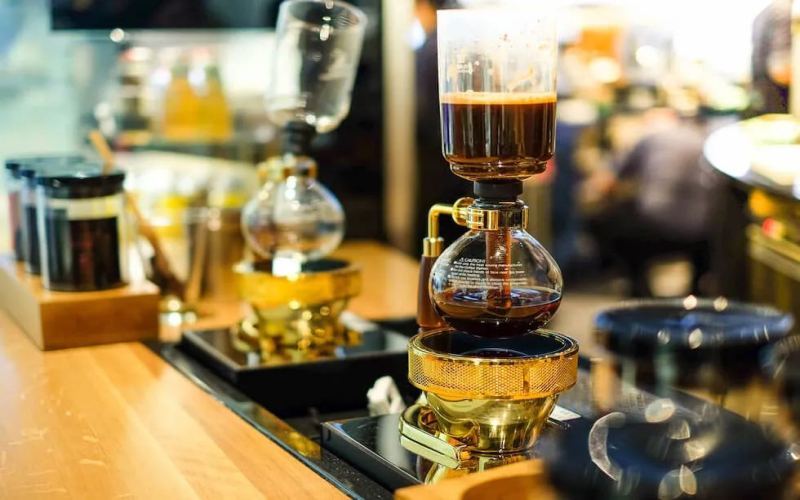
The siphon pot, also known as the vacuum pot, often gives off a sense of mystery due to its unique, chemistry-apparatus-like shape and its retro appearances in film and television. As coffee lovers, understanding its structure, extraction principles, and method of use can help us better enjoy the rich flavors it brings. This article will analyze the structure of the siphon pot and its pressure-difference extraction mechanism in detail, share Front Street Coffee's hands-on steps, and recommend coffee beans suitable for the siphon pot, including classic medium-dark roasts and flavor-forward beans such as sun-dried Red Cherry, Mozart, and the Floral Order TOH washed champion, helping you explore the mellow world of siphon coffee. [more…]
Siphon Coffee Brewing Tutorial: From Principles to Operational Steps, a Comprehensive Guide to Using a Siphon Brewer
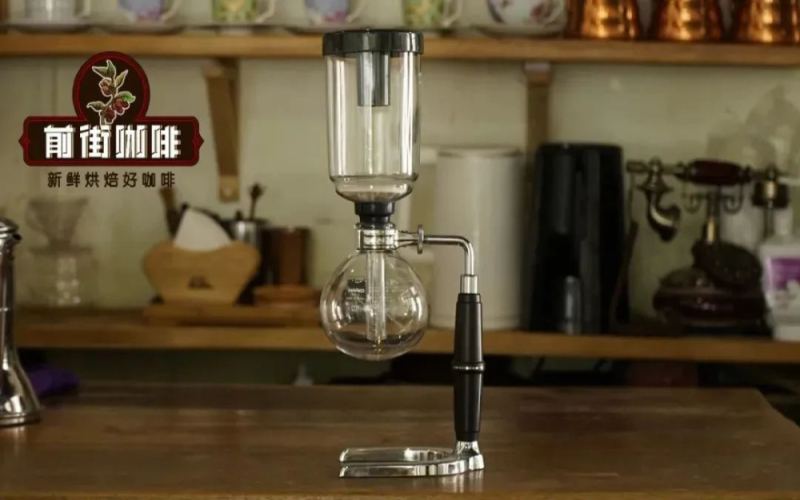
The siphon pot, with its unique siphon principle and highly ceremonial operation, has always carried a sense of mystery in the hearts of coffee enthusiasts. Many people are deterred by it, believing that it has a high operating threshold and a cumbersome process, but in fact, as long as you master the core points, you can easily make a rich and full-bodied siphon coffee at home. Starting from the practice of Front Street Coffee, this article will systematically introduce the working principle, structural composition, filtration system, and complete method of use of the siphon pot, helping readers understand the differences in flavor expression between the siphon pot and pour-over coffee, and master the techniques for correctly operating this classic device. [more…]
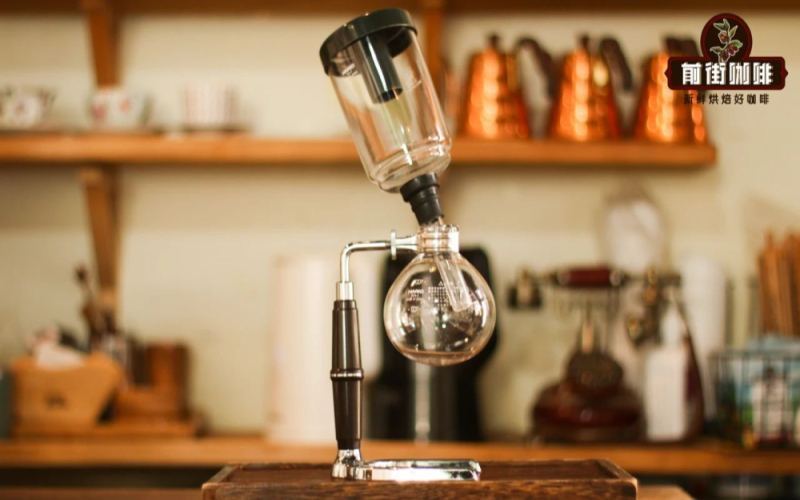
Complete Guide to Siphon Coffee Brewing: From Working Principles to Front Street Blue Mountain No. 1 Practical Parameters
The siphon pot, also known as the syphon, is a brewing device with a long history that has nevertheless remained active on the coffee stage. It uses changes in gas pressure to drive hot water upward and draw the coffee liquid back down. As an immersion-style extraction method, it can more fully bring out the layers and richness of flavor. This article begins with the origin and working principle of the siphon pot, then gradually breaks down the key steps in the brewing process, including heat intensity, water temperature, grind size, and stirring. Using the medium-dark roasted Front Street Jamaica Blue Mountain No. 1 as an example, it provides a specific method with a coffee-to-water ratio of 1:14, a water temperature of about 88°C, and an extraction time of about 60 seconds, helping coffee lovers reliably recreate at home a cup of siphon coffee that is rich, balanced, and has a long-lasting sweet aftertaste. [more…]
From Grinding to Extraction: A Detailed Guide to Grinding Methods and Four Major Brewing Techniques for Specialty Single-Origin Coffee
To make a delicious single-origin coffee at home, good beans alone are not enough—the grind size, water temperature, and extraction method all directly affect the final flavor. This article starts with the principles of coffee grinding, sorts out the differences between the three grinding methods of grinding, pounding, and mortar grinding, and systematically introduces the four major categories of brewing techniques: decoction, pressure, gravity, and infusion-filtration, covering the key operating points of classic equipment such as Turkish coffee, moka pot, French press, and vacuum coffee maker, helping coffee enthusiasts find a brewing solution that suits them. [more…]
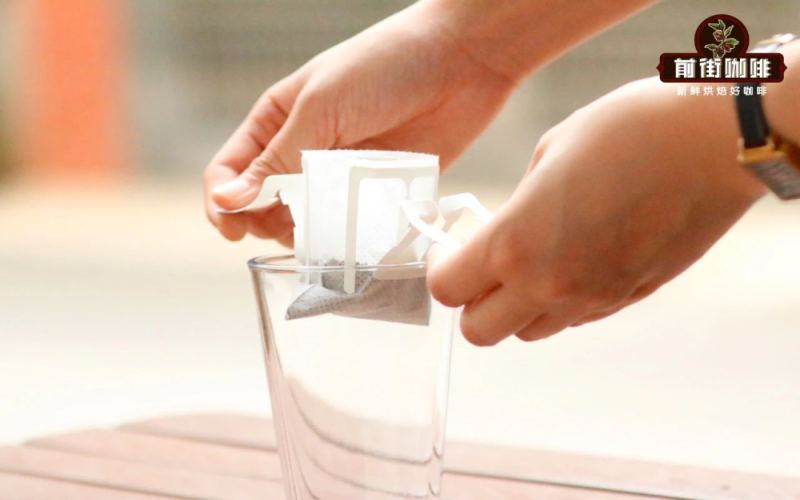
Office Coffee Types | What's the Difference Between Instant Coffee and Drip Bag Coffee? Which Is Healthier, Black Drip Bag Coffee or Instant Coffee? What Are the Pros and Cons of Drip Bag Coffee?
Nowadays, coffee is loved by many people, especially in this fast-paced, high-pressure world, whether for work or daily life, everyone wants a cup of coffee as soon as they get up. However, due to time constraints, it's impossible to grind and brew a fresh cup at home; instead, one has to rush to the office. At times like this, instant coffee or drip bag coffee has become very popular. [more…]
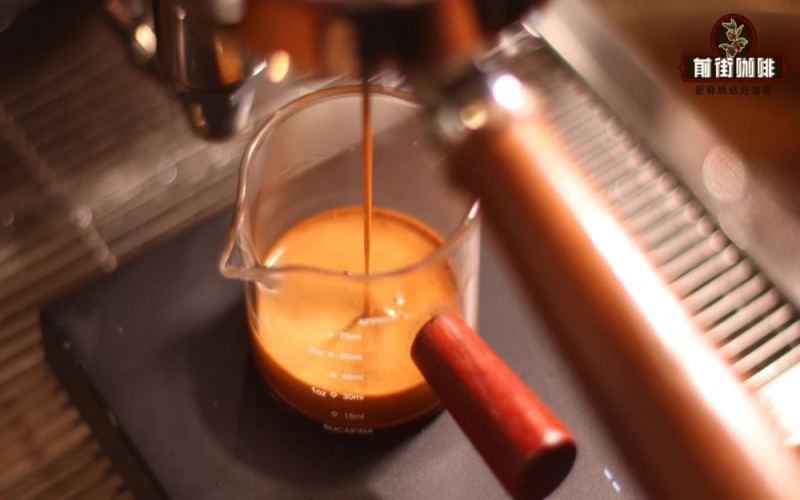
A Detailed Guide to the Entire Espresso Extraction Process: From Historical Evolution to Practical Parameters and Steps
Espresso is the shared foundation of many drinks such as Americano, latte, cappuccino, and flat white. It was born during the improvement of pressurized coffee machines from the late 19th to the early 20th century. In this article, Front Street Coffee will take you through the evolution of Italian coffee culture and the story of the birth of the espresso machine, then break down the complete Espresso extraction process with diagrams, covering key parameters such as dose, ratio, time, and grind size, and provide practical data from Front Street stores along with blend bean recommendations, helping coffee lovers master the essentials of making a good espresso while learning about its history. [more…]
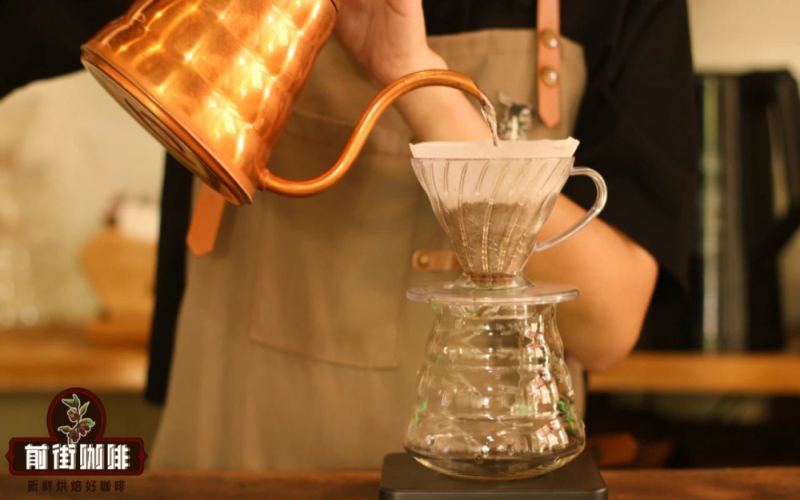
How Should You Handle Ground Coffee? A Detailed Guide to Five Brewing Methods and Key Tips for Using Drip Coffee Bags
Friends who are just getting into coffee often encounter a question: once coffee beans are ground into powder, should they be boiled or brewed? In fact, there is no single answer to this question. The key depends on the characteristics of the beans and what equipment you have on hand. In this article, Front Street Coffee will systematically sort out the five main extraction methods for freshly ground coffee powder - decoction, pressure, gravity, immersion filtration, and cold brew. It will also discuss notes on bean resting and storage, as well as the frequently asked question of whether drip bag coffee can be brewed repeatedly. Whether you are a complete beginner or an enthusiast who wants to further understand the differences between various brewing methods, you can find practical references here. [more…]
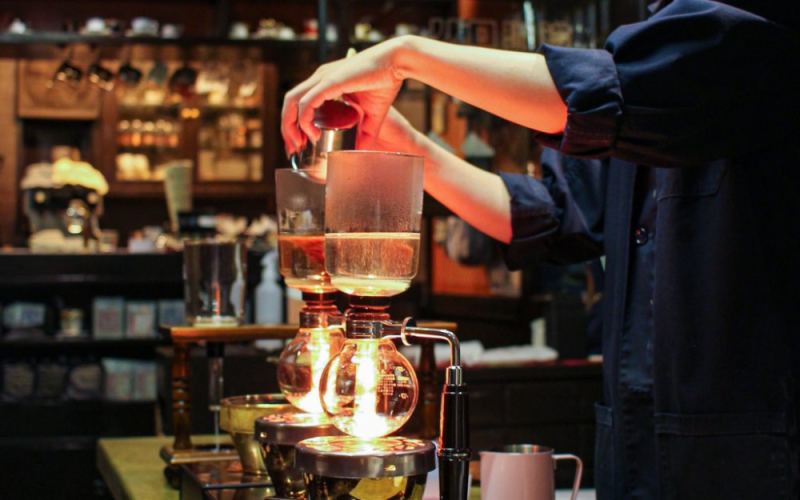
How a Siphon Works | What Makes Up the Structure of a Siphon Coffee Maker? How Do You Brew Coffee with a Siphon? What Are the Key Points for Making Siphon Coffee?
The siphon pot, with its appearance resembling laboratory equipment, is a coffee brewing tool that extracts coffee by utilizing pressure changes caused by steam and the siphon principle. It first appeared in Europe, and the trademark registration for the siphon pot was owned by a French lady, Marie Fanny Amelne Massot, exquisite [more…]
From Cold Brew to Siphon and Circulating Filtration: A Detailed Guide to Ten Pour-Over and Brewing Techniques for Single-Origin Coffee
To consistently replicate a clean-flavored single-origin coffee at home, the key lies in understanding the extraction logic behind different brewing methods. This article explores ten common brewing methods, focusing on the key points of cold water slow extraction, steam pressure, and automatic brewing with electric kettles, and also supplements the circulation extraction principle of the filter circulation coffee maker. The content covers equipment preparation, grind size, water temperature and time control, as well as ways to avoid common mistakes. The article also incorporates Front Street Coffee's products and ideas to help coffee enthusiasts choose the right solution based on their equipment and taste, so they can brew a rich and well-layered cup whether on a busy morning or a leisurely weekend. [more…]